French Bulldog Care Guide: Expert Tips for a Happy & Healthy Puppy

Welcoming a Frenchie into your home is an exciting journey! As experienced breeders, we know that this unique breed requires specific care to thrive. In this comprehensive guide, we cover everything from proper nutrition to preventing health issues like IVDD, ensuring your new best friend lives a long, joyful life.

This page brings together helpful articles for anyone who has purchased a French Bulldog in the United States. Below, you’ll find three key topics to explore, each covering important information for new owners.

Choose the topic that interests you most

Feeding Station

Feeding Station

Your puppy’s growth and well-being start with what’s in their bowl. To ensure a smooth transition and avoid digestive upset, we strictly recommend continuing with…

Sweet Dreams

Sweet Dreams

A Frenchie puppy needs about 18–20 hours of sleep a day to grow healthy and strong. Setting up the right sleeping area is the first…
Harness vs. Collar

Harness vs. Collar

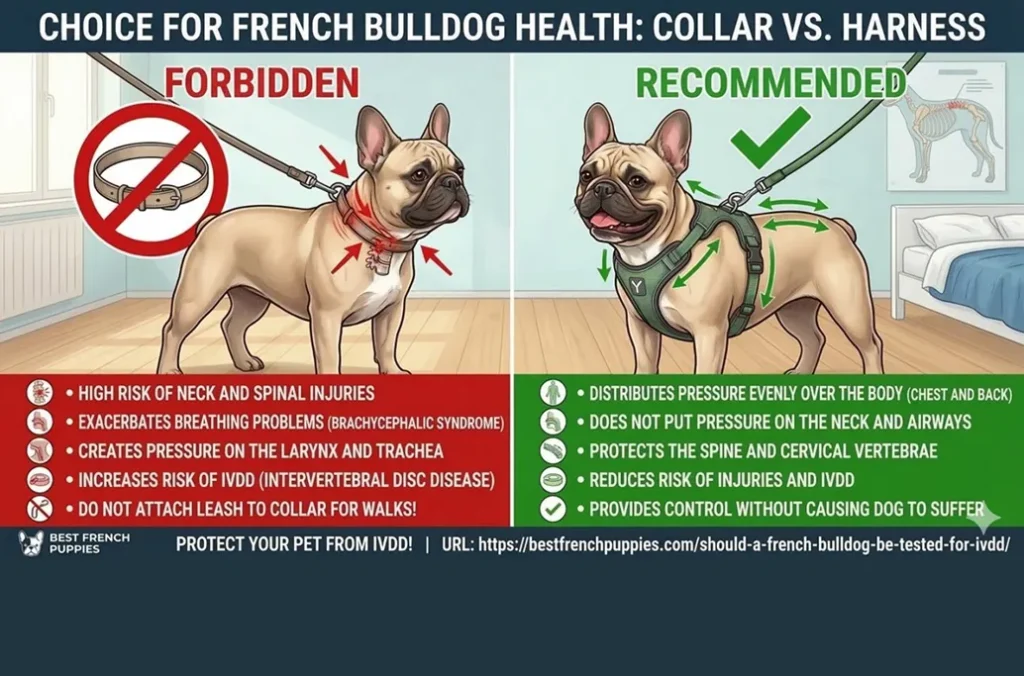
When it comes to walking your French Bulldog, the choice between a harness and a collar is not about fashion—it is about health. For this…
The Potty Spot

The Potty Spot

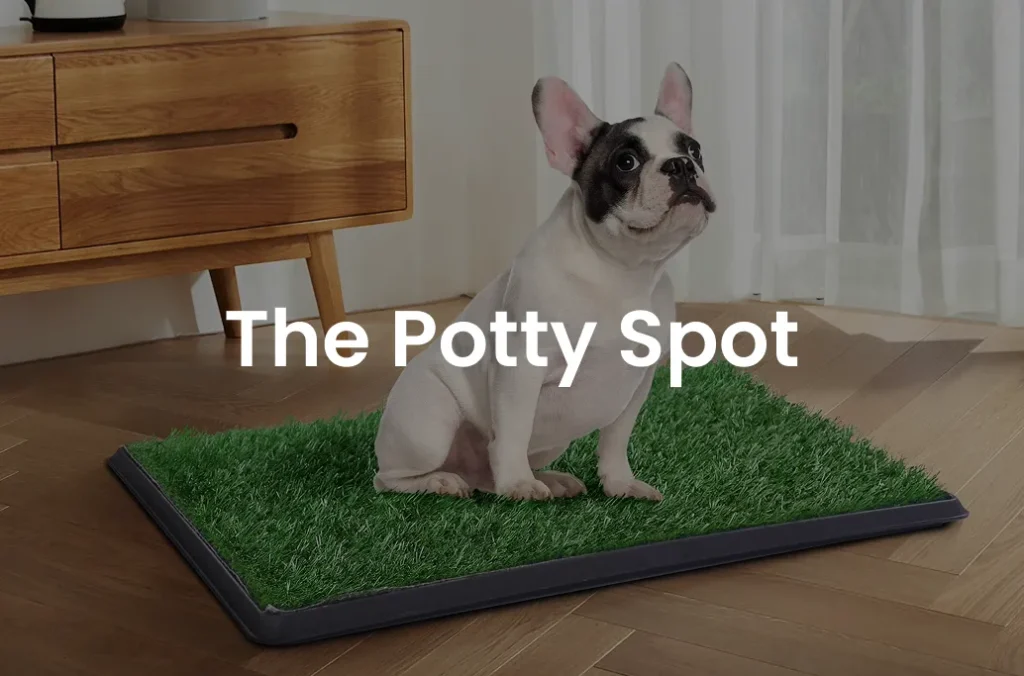
Consistency is the key to housebreaking a Frenchie. To make the transition easier for you and your puppy, we start training them early using a…

Puppy-Proofing

Puppy-Proofing

Before your Frenchie puppy arrives, you must look at your home from their perspective—about 6 inches off the ground. Frenchies are curious, stubborn, and “mouth-oriented,”…
Safe Play & Teething

Safe Play & Teething

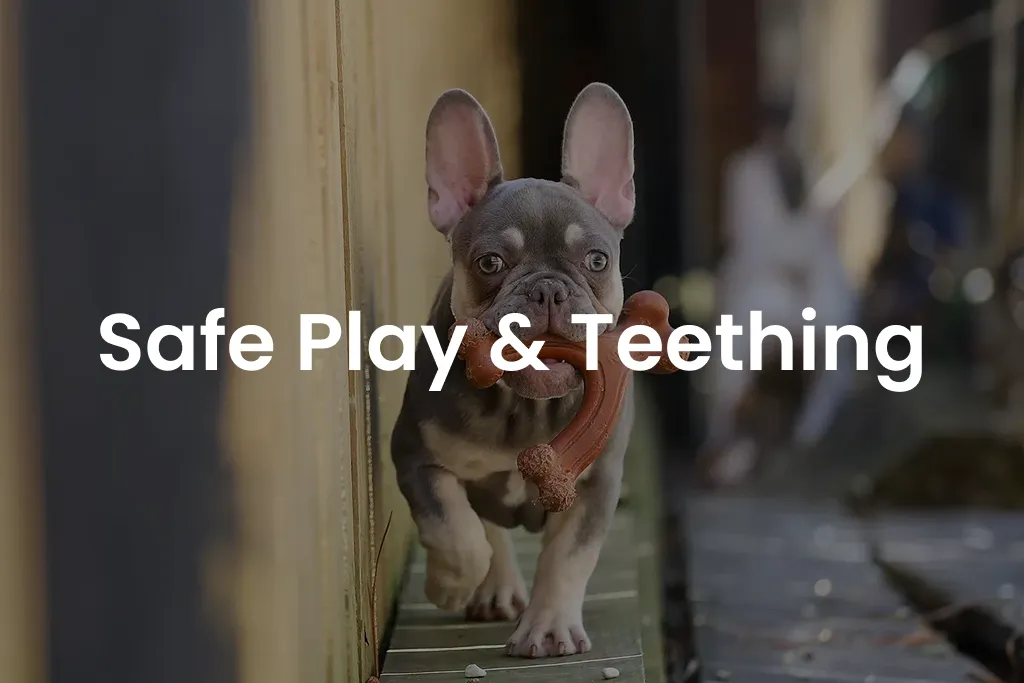
Frenchie puppies are like little terminators—they explore the world with their mouths! During the teething phase (from 3 to 6 months), providing the right toys…

The “Quiet Week” ‼️⚠️

The “Quiet Week” ‼️⚠️

The first few days in a new home are a massive life event for a puppy. While you are excited, your puppy has just lost…
Health: Stress, Gut Health & Hidden Parasites

Health: Stress, Gut Health & Hidden Parasites

The journey to a new home is a huge transition for a Frenchie. Even with the best care, the stress of a flight or a…

AKC Registration: Making it Official

AKC Registration: Making it Official

Your puppy is a purebred French Bulldog with a distinguished pedigree. Completing the registration with the American Kennel Club (AKC) is essential to officially document your…

Diet Transition: Easy and Safe

Diet Transition: Easy and Safe

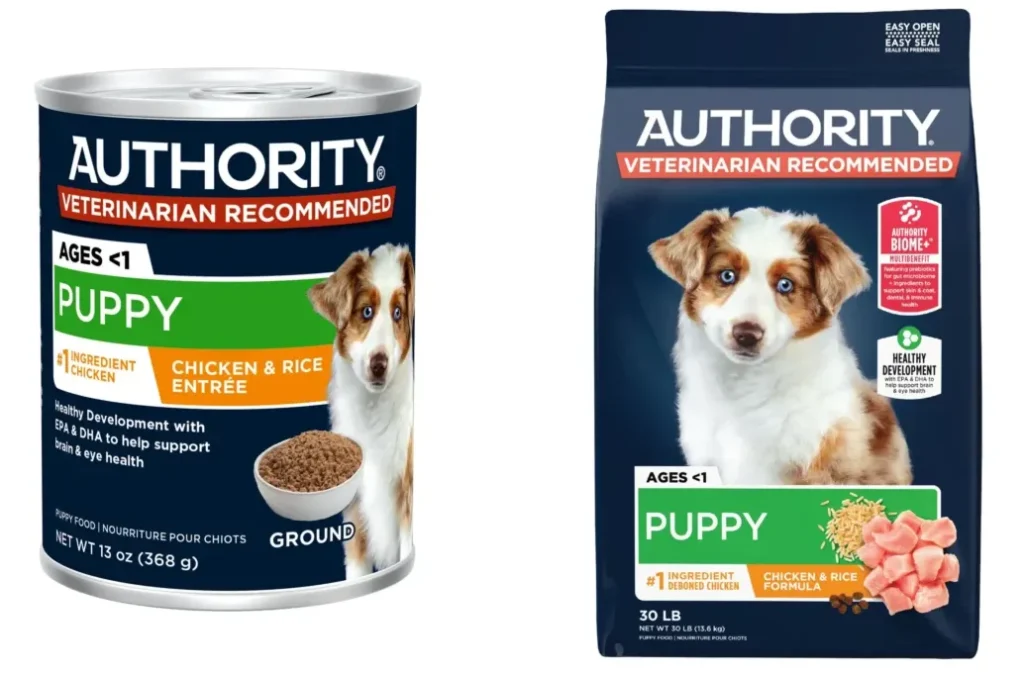
Your puppy is currently thriving on Authority® Puppy Chicken & Rice. While you may eventually choose to switch to a different premium brand, doing so…

Exercise & Walking: Safety & Quarantine

Exercise & Walking: Safety & Quarantine

Your puppy’s immune system is still developing. While it is tempting to take your new Frenchie to the park immediately, their safety depends on following…
Feeding: Schedule & Methods

Feeding: Schedule & Methods

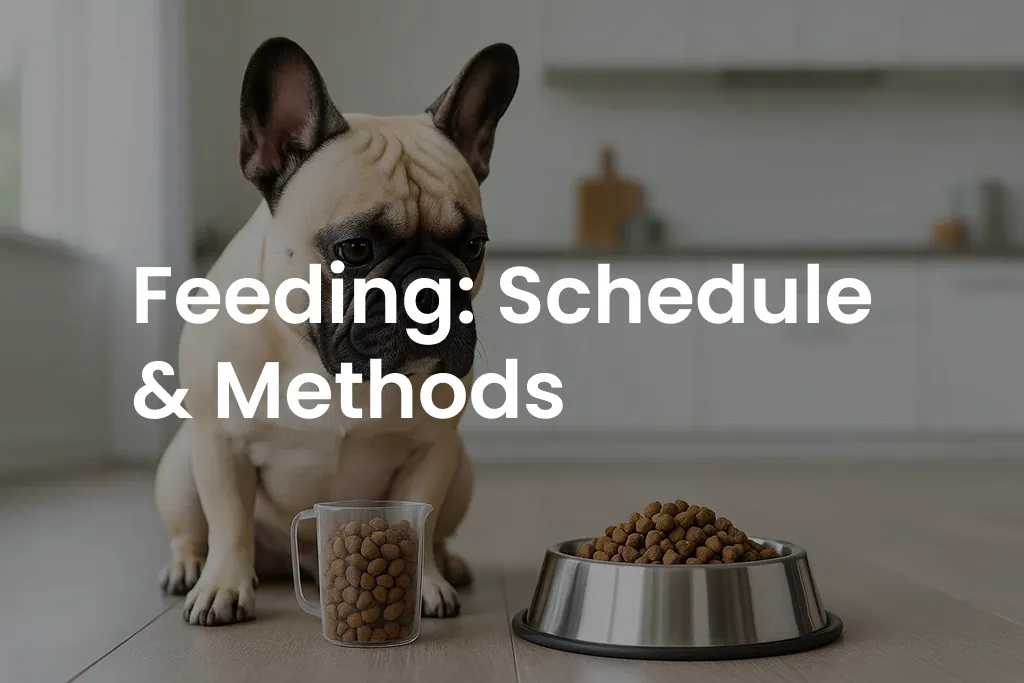
How you feed your puppy is just as important as what you feed them. To help their small stomachs process nutrients efficiently and avoid bloating,…

Potty Training Success

Potty Training Success

Consistency and patience are the foundations of a well-trained Frenchie. Because French Bulldogs are intelligent but can be stubborn, following a strict routine from day…

Treats & Rewards: Motivation vs. Health

Treats & Rewards: Motivation vs. Health

French Bulldogs are highly food-motivated, which makes them great students! However, their sensitive stomachs and tendency to gain weight mean you must choose their rewards…
Vaccination Timeline: Protecting Your Puppy

Vaccination Timeline: Protecting Your Puppy

To keep your Frenchie safe from life-threatening diseases, following a strict vaccination schedule is mandatory. Vaccinations work only if they are given in a specific…
Bathing & Hygiene: Gentle Care

Bathing & Hygiene: Gentle Care

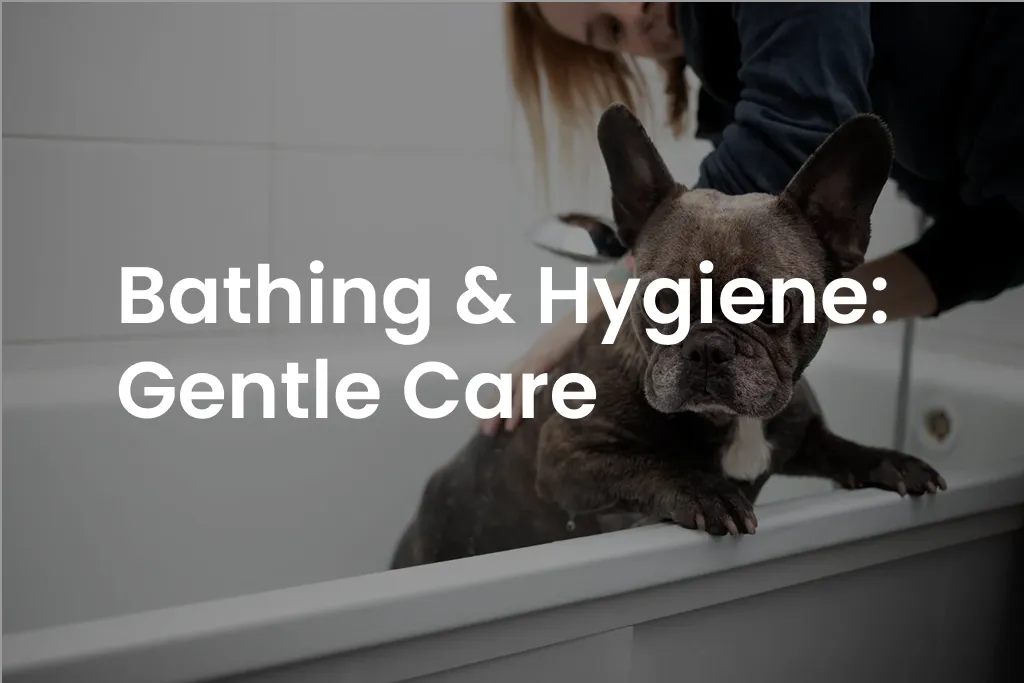
French Bulldogs are relatively clean dogs, but their unique anatomy (wrinkles, short fur, and compact ears) requires specific attention. Keeping your puppy clean is about…

Useful information

Feeding Guide: How to Feed French Bulldog Puppies?

Feeding Guide: How to Feed French Bulldog Puppies?

If you want to buy a French Bulldog puppy, it is important to learn some crucial details. And the most important one is: “What food…

Should a French bulldog be tested for IVDD?

Should a French bulldog be tested for IVDD?

1. Genetic Predisposition (The “Chondrodystrophy” Gene Test) Crucially: A positive genetic test does not mean your dog has IVDD. It means they have the underlying…

Is the DM gene dangerous for French Bulldogs?

Is the DM gene dangerous for French Bulldogs?

1. DM result: n/DM — what does it mean? The result n/DM means that your male dog is a carrier of the mutation associated with…
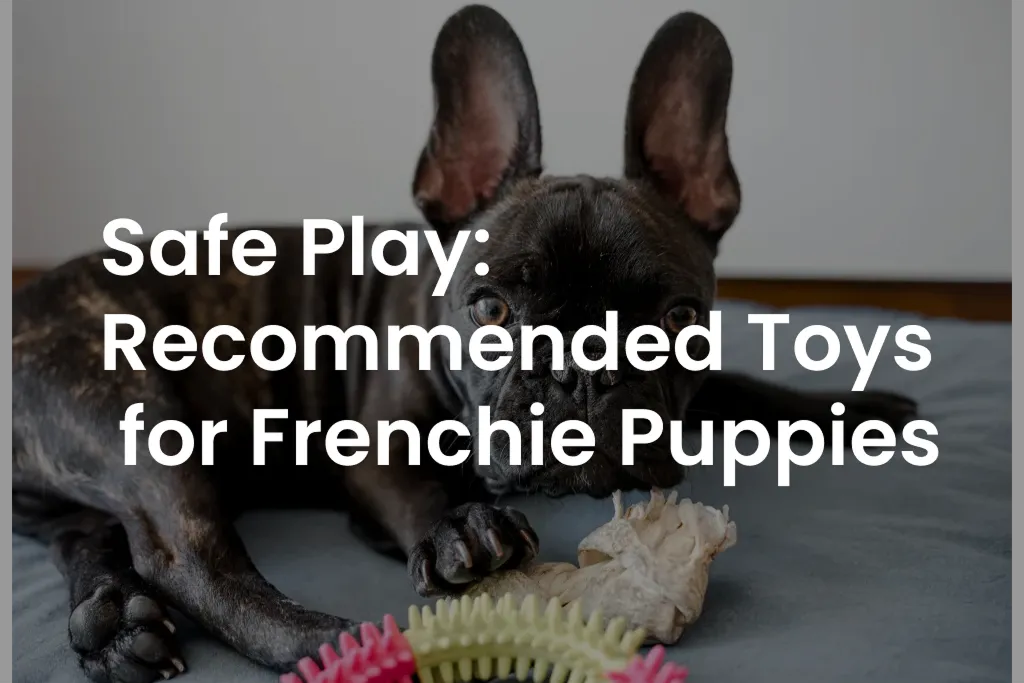
Safe Play: Recommended Toys for Frenchie Puppies

Safe Play: Recommended Toys for Frenchie Puppies

Frenchies are “power chewers.” Even as puppies, they have strong jaws and a curious nature. To keep your puppy entertained and safe, we recommend the…

Nutrition & Feeding Schedule

Nutrition & Feeding Schedule

We have relied on our recommended food for over 9 years because of its safety and nutritional balance. To avoid digestive upset, please continue with…

The French Bulldog Bite Explained: Why an Underbite is Perfectly Normal

The French Bulldog Bite Explained: Why an Underbite is Perfectly Normal

If you have just welcomed a French Bulldog puppy into your family, you might be carefully examining every little detail of your new best friend.…

Why Do French Bulldogs Cost So Much?

Why Do French Bulldogs Cost So Much?

If you are searching for a new furry family member, you might have noticed a significant price range. You may even see ads for “French…

Finding the Best French Bulldog Breeder in Atlanta, Georgia

Finding the Best French Bulldog Breeder in Atlanta, Georgia

Atlanta is a city that loves its dogs, and the French Bulldog has quickly become one of the most popular breeds in Georgia. Whether you…

What Makes a Top-Rated French Bulldog Breeder in the USA?

What Makes a Top-Rated French Bulldog Breeder in the USA?

The French Bulldog is officially the most popular dog breed in the United States. With their affectionate personalities and unmistakable bat ears, it’s easy to…

FAQ

French Bulldog Puppy Care Support – Guidance You Can Trust

This is a common but frustrating behavior in young puppies. To stop it, we recommend:

  1. Immediate Cleanup: The most effective way is to pick up waste immediately so the temptation isn't there.
  2. Dietary Balance: Ensure your puppy is on a high-quality, easily digestible diet (like the one we recommend). Sometimes puppies eat stool because they aren't absorbing enough nutrients.
  3. The "Leave It" Command: Work on basic obedience training to redirect their attention.
  4. Natural Additives: There are safe, over-the-counter additives (like "Coprophagia deterrents") you can add to their food that makes the stool taste unappealing.

Our puppies are raised inside our home, not in a kennel. They are exposed to everyday household noises (vacuum cleaners, TV, doorbells) and interact with people and other pets daily. This ensures they arrive at your home confident, happy, and ready to bond.

Critical Warning: You should not take your puppy to public places (parks, pet stores, or common grass areas) until at least 7–10 days after their second round of vaccinations. > French Bulldog puppies are highly susceptible to dangerous viruses like Parvovirus, which can live in the soil for years. Until your puppy has received their follow-up shots and their immune system has matured, it is safest to keep them within your own private yard or home. When visiting the vet, carry your puppy in your arms or a carrier rather than letting them walk on the floor.

French Bulldogs have sensitive skin and natural oils that protect their coat.

  • Frequency: Do not bathe your puppy too often. Once every 4–6 weeks is usually enough, unless they get particularly dirty. Over-bathing can dry out their skin and cause irritation or allergies.
  • The "Face Fold" Rule: While full baths are rare, you should wipe their facial wrinkles and "nose ropes" daily or every other day with a damp cloth or unscented baby wipe to prevent moisture buildup and bacteria.
  • Products: Always use a gentle, soap-free Puppy Shampoo or a formula specifically designed for sensitive skin (like Oatmeal-based shampoos). Always dry them thoroughly, especially inside the folds, to avoid skin infections.