
We have relied on our recommended food for over 9 years because of its safety and nutritional balance. To avoid digestive upset, please continue with this brand for at least one month.
- The Diet: We recommend Authority Puppy Chicken & Rice Formula. It is available at or online.
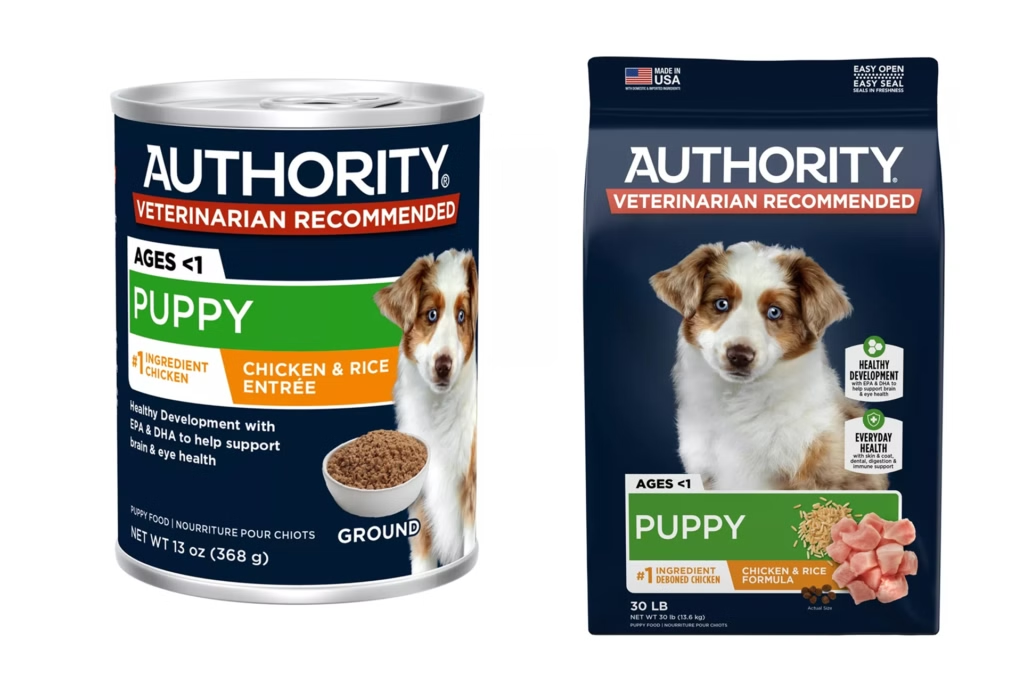
- Preparation (Soaked Food): For puppies under 2.5 months, we feed them soaked food 3 times a day.
- Recipe: Pour boiling water over dry kibble, let it cool completely until soft, and serve.
- Note: Do not leave soaked food out for more than 3-4 hours.
- Transition: At 2.5 months, start mixing 50% soaked and 50% dry kibble. After 3-4 days, transition to 100% dry kibble.
- Human Food Warning: Do not feed your bulldog human food. This breed is prone to allergies, stomach upset, and diarrhea from table scraps.
Why This Feeding Plan Works for French Bulldog Puppies
French Bulldog puppies do best when feeding changes are predictable, gradual, and easy to monitor. This routine is based on what our puppies are already eating before they leave for their new homes, which reduces stress-related stomach upset during one of the biggest transition periods in a puppy’s life. A stable feeding plan helps owners track appetite, stool quality, energy, and hydration during the first several weeks.
For U.S. families bringing home a young puppy, the goal is not just to feed enough food, but to create consistency. Measured meals, clean water, and a slow transition away from soaked food can prevent avoidable digestive problems and make it easier to notice when something is actually wrong.
Breeder Guidance and Veterinary Oversight
Every puppy is an individual. Age, body condition, activity level, and breed sensitivity can all affect how much a puppy should eat and how quickly a new diet can be introduced. That is why we recommend using breeder instructions as the starting point and then reviewing the plan with your licensed veterinarian after your puppy arrives home.
- Ask your veterinarian whether your puppy’s current portion size matches their age and growth rate.
- Bring a photo of the food bag or can to the first vet visit so the diet can be reviewed accurately.
- Monitor stool quality for several days before making any food, topper, or treat changes.
When to Get Professional Help
If your puppy develops vomiting, repeated diarrhea, bloating, marked lethargy, refusal to eat, or sudden weight loss, do not rely on internet feeding advice alone. Those symptoms should be discussed with a veterinarian promptly, especially in young puppies that can become dehydrated quickly.