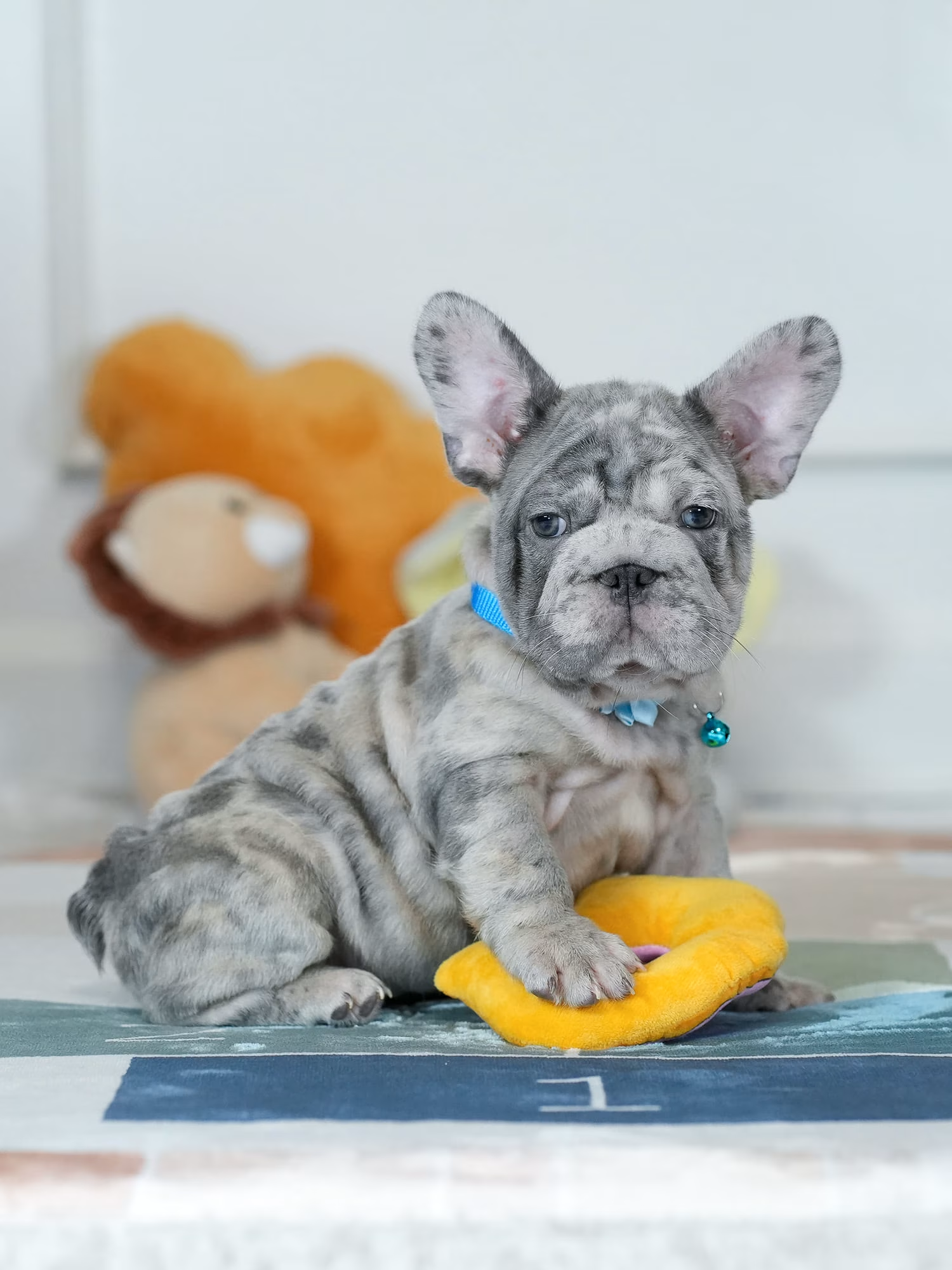
Merle and Exotic French Bulldog Colors: Health, Genetics, and What Buyers Should Verify

Non-standard color does not automatically mean a dog is unhealthy, but color genetics must be handled responsibly. Coat color alone does not tell you whether a French Bulldog is healthy. The real question is how the breeding was planned, whether the parents were health-tested, and whether risky pairings such as merle-to-merle were avoided
изображение_viber_2026-09-05_22-45-55-962
10+

years of experience

ARTICLE INFORMATION
Written by Alex Arestov, Head Breeder at Best French Puppies | Reviewed by Best French Puppies Breeder Standards Team | Updated September 8, 2026

What “Exotic” Means in French Bulldogs

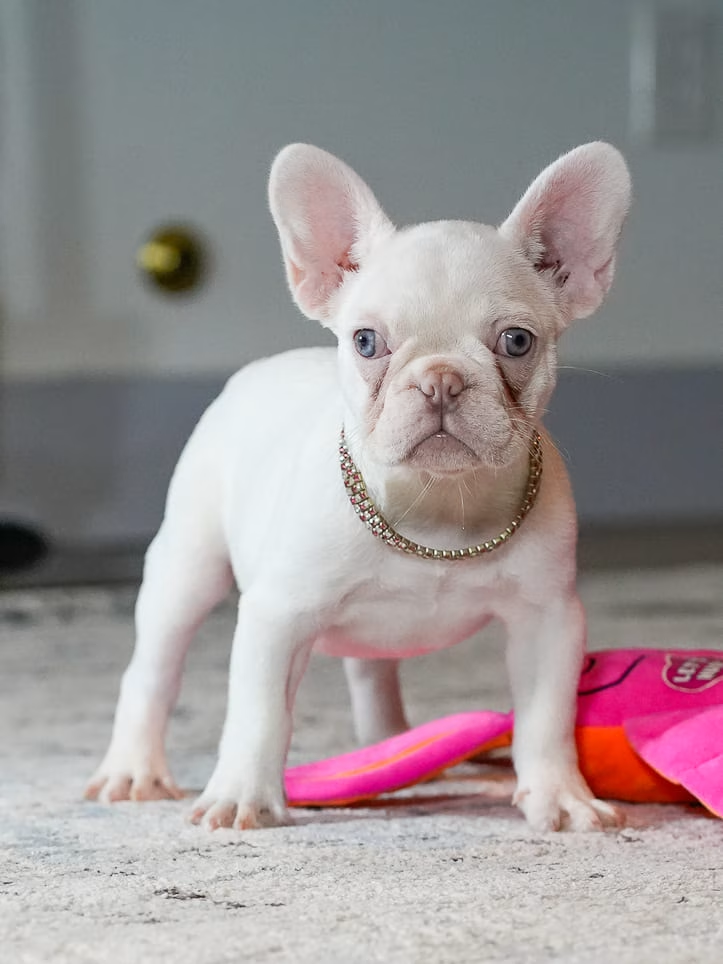
When people refer to “exotic” or “rare” French Bulldogs, they are usually talking about colors like Blue (Mouse), Liver, Black & Tan, Isabella, or the Merle pattern. These colors are highly sought after by pet owners, but it is important to understand that they do not meet the traditional conformation show standard set by the French Bull Dog Club of America (FBDCA).
AKC Registration vs. Show Standard

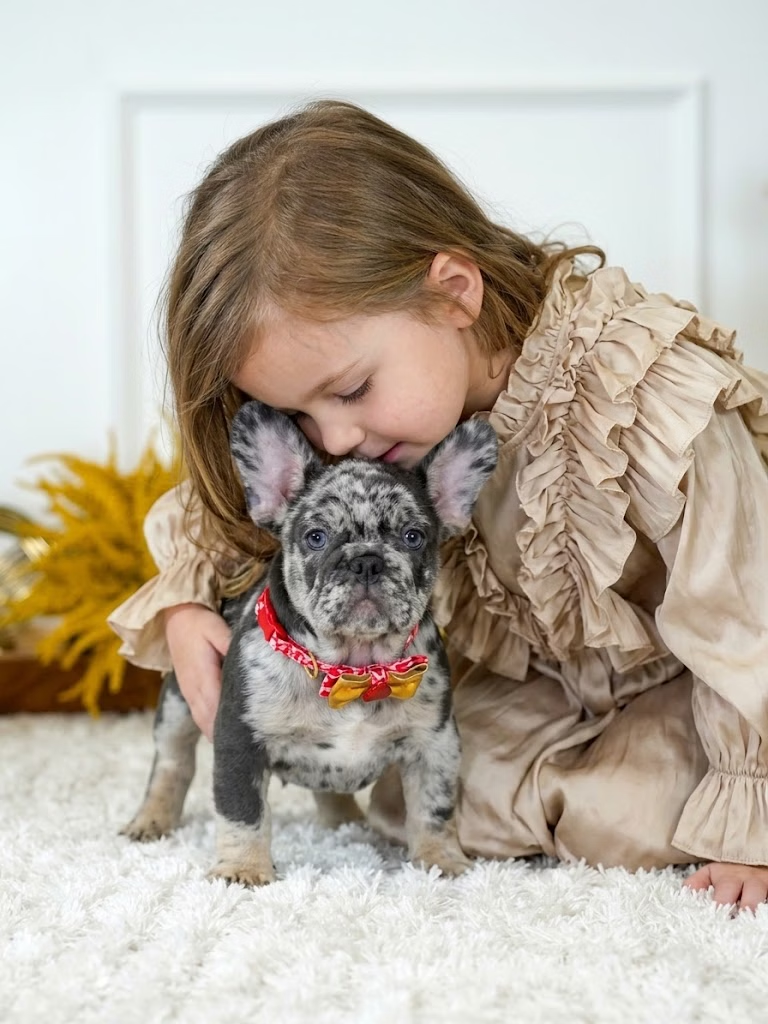
A common point of confusion for buyers is the difference between registration and conformation. Can an exotic or Merle Frenchie be AKC registered? Yes. If both parents are purebred and registered, the puppy can be registered with the American Kennel Club. However, colors like Merle, Blue, and Black & Tan are considered disqualifying colors for the conformation show ring. This means your dog is a recognized purebred, but they cannot compete in traditional dog shows. For families looking for a healthy, loving pet rather than a show dog, this disqualification has no impact on the dog’s quality of life.

Merle Genetics: Why M-Locus DNA Testing is Critical

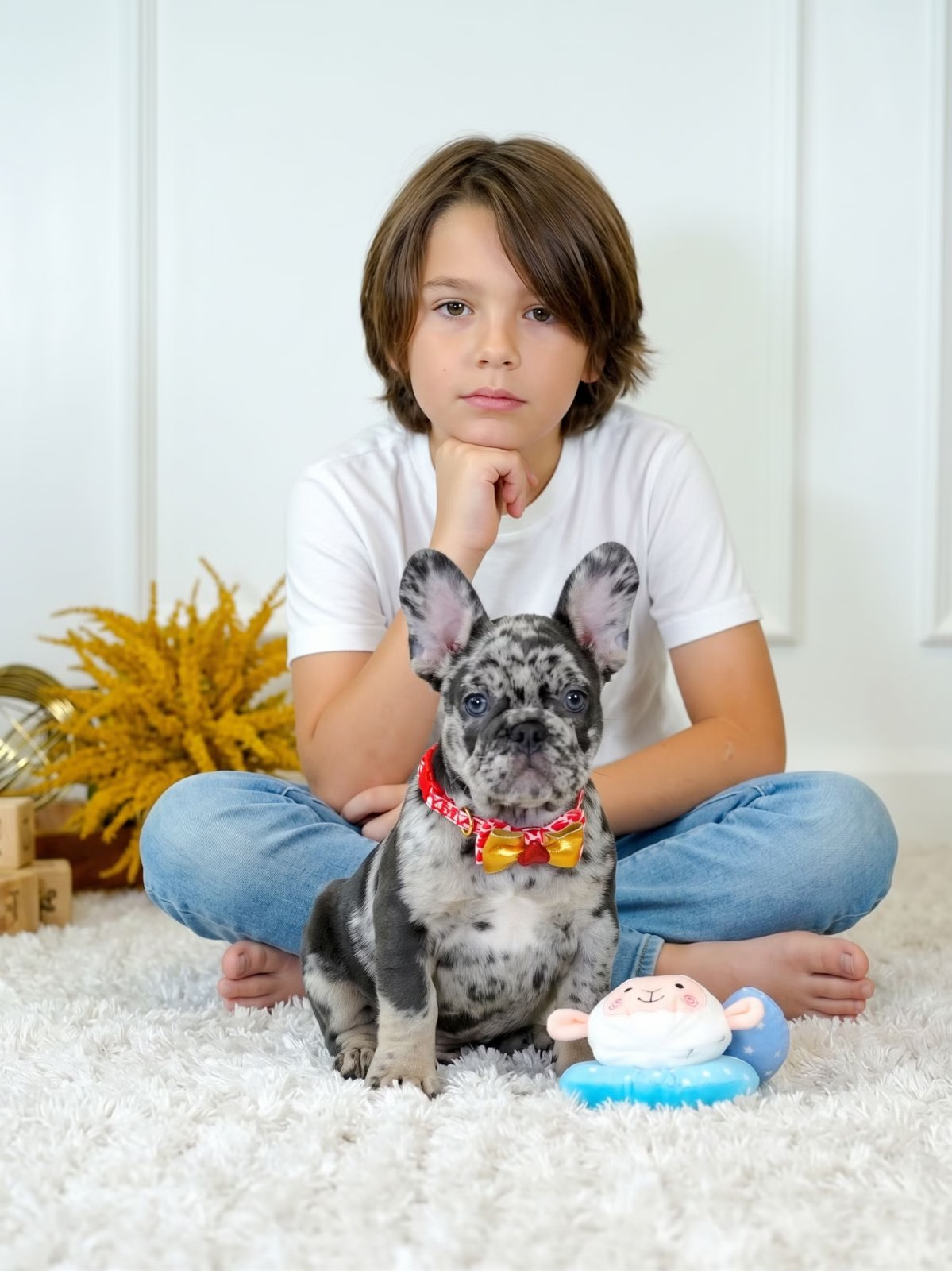
The Merle pattern is created by the M-locus gene. To produce a healthy Merle puppy, a breeder must have a strict understanding of genetics. The golden rule is that two Merle dogs should never be bred together. Breeding merle-to-merle can result in a “Double Merle” puppy. According to genetic laboratories like UC Davis Veterinary Genetics Laboratory (VGL), double merles have a high risk of developing severe auditory and ophthalmic abnormalities, including deafness and blindness. This is why every dog in our program undergoes DNA color panel testing (including M, D, Co, B, and E loci) to ensure risky genetic pairings are completely avoided.
изображение_viber_2026-09-05_22-45-56-309
Excellent
4.9
Client Feedback
Top Breeder
_DSC2439-fotor-20260903143824
_DSC1957-fotor-20260827154142

Health is More Than Just Color

A merle puppy should be evaluated by the same health standards as any French Bulldog, with extra attention to merle genetics. Regardless of coat color, the French Bulldog breed is susceptible to specific structural and genetic conditions, including:
BOAS (Brachycephalic Obstructive Airway Syndrome)
IVDD (Intervertebral Disc Disease) and CDDY
Patellar Luxation (Knee joint issues)
Cardiac and Eye abnormalities

Our Process: What We Check

We believe buyers deserve proof, not just promises. Before a puppy leaves our home in Cumming, GA, we ensure:

  1. Parent DNA & Health Testing: We screen for color loci and breed-specific genetic health panels
  2. Veterinary Clearance: Every puppy receives a thorough examination from a licensed veterinarian
  3. Complete Documentation: You take home a physical folder with AKC paperwork, a detailed deworming/vaccine schedule, and the vet exam results

Frequently Asked Questions (FAQ)

No. The dilute (Blue) and M-Locus (Merle) genes affect pigmentation. While double-merles face severe risks, a properly bred single-merle or dilute puppy's health depends on the overall genetic structural health of its parents, not just the color gene.

We offer a breeder contract that covers specific congenital and genetic defects up to a certain age. However, genetics, environment, and diet all play a role in a dog's life, and no honest breeder can guarantee a dog will never get sick.

Written by

Alex Arestov

Head Breeder at Best French Puppies

Alex Arestov is the Head Breeder at Best French Puppies in Cumming, GA, with over 6 years of experience breeding Merle and rare-color French Bulldogs. His work focuses on responsible breeding, genetic testing, health screening, and helping families understand the health and genetic considerations behind French Bulldog colors.

View author profile