
Transitioning to a brand-new home is an exciting milestone, but it is also a major source of stress for a young puppy. Leaving their mother, littermates, and familiar surroundings inevitably takes an emotional toll on a puppy’s system. Because of this, it is very common for puppies to experience digestive upset, loose stools, or sudden diarrhea after moving.
Why Do Puppies Get Upset Stomachs After Moving?
The primary trigger for temporary digestive upset during the first few days in a new home is stress. High stress levels deplete the body’s natural defenses, disrupt the delicate balance of gut microflora, and temporarily impair healthy digestion.
Furthermore, this stress-induced drop in immunity often allows underlying or dormant issues to flare up. In particular, internal parasites can begin to multiply rapidly. That is why it is critically important to complete a full deworming course, as a compromised immune system gives parasites the upper hand, posing a serious threat to your puppy’s health.
How to Help Your Puppy Recover at Home
If you notice your puppy has soft stools or unexpected diarrhea while remaining active and alert, there is no need to panic. You can quickly restore digestive health using these safe, proven remedies:
- Plain Canned Pumpkin: An exceptional source of natural soluble fiber that gently firms up stool and normalizes digestion. You can easily find regular canned pumpkin at any Walmart (always ensure it is 100% pure pumpkin with no added sugars or spices). Feed a couple of tablespoons in place of their regular meal at least twice a day, or more frequently if needed.
- Vetoquinol Pro-Pectalin Oral Paste (for Dogs & Cats – Chicken Flavor): This highly effective, chicken-flavored probiotic paste helps reduce occasional loose stool, balances gut pH, and supports normal, healthy digestion. Administer a very small amount—about the size of a fingernail—twice a day.
Why This Care Routine Works
- Natural Regulation: The fiber in pumpkin absorbs excess moisture in the gut to restore normal stool consistency while remaining incredibly gentle on a puppy’s sensitive stomach.
- Targeted Gut Support: Specialized supplements like Pro-Pectalin proactively combat temporary digestive flare-ups and rapidly rebuild healthy intestinal microflora.
- Safe & Gentle Care: This approach allows you to quickly manage mild digestive issues without harsh medications, giving your puppy a smooth and comfortable adjustment period.
- Product Link: Amazon.com : Vetoquinol Pro-Pectalin Oral Paste for Dogs & Cats – Chicken Flavor – Helps Reduce Occasional Loose Stool & Diarrhea, Balance Gut pH, Support Normal Digestion : Pet Supplies
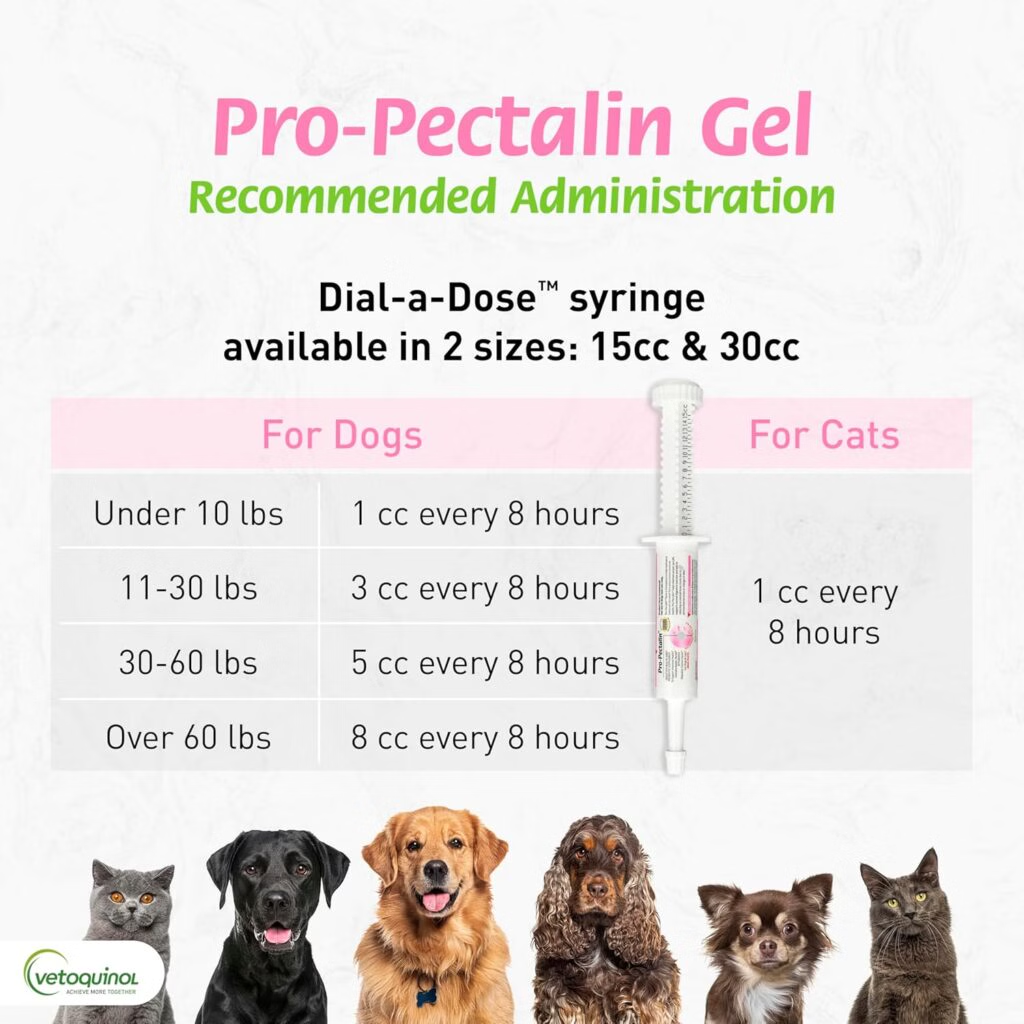
(Note: If your puppy’s diarrhea is accompanied by lethargy, refusal to drink, vomiting, or a fever, contact your veterinarian immediately).